

Knowing Gutter Installation in Arkansas
Gutter Installation in Arkansas is a crucial part of home upkeep, particularly given the region’s unique weather patterns. Arkansas weather can be unpredictable, with heavy rainfall, sudden storms, and temperature fluctuations that can impact the integrity of your residence’s exterior. Picking the right gutter setup and installer ensures that your residence remains protected from water harm, which is essential for maintaining the structural health of your property.
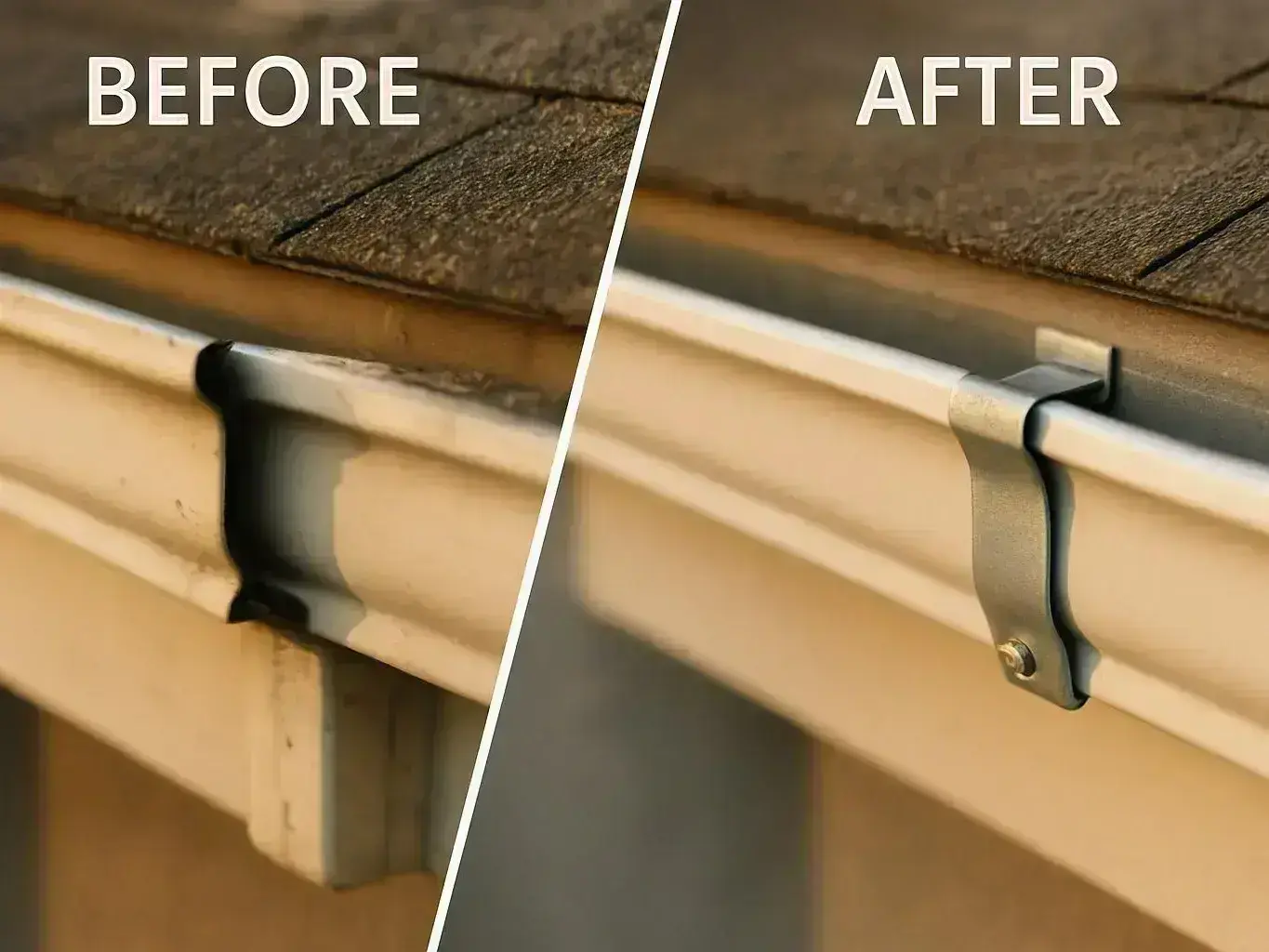
Gutter materials play a significant role in determining the effectiveness and longevity of your gutter system. Typical materials include aluminum, steel, and vinyl, each with its own perks and drawbacks. For example, aluminum is lightweight and resistant to rust, making it a popular selection in areas with high humidity. Steel gutters are more sturdy but can be prone to rust if not appropriately maintained. Vinyl gutters are cost-reliable and easy to put in but may not hold up as well in extreme weather conditions.
Arkansas weather can vary widely depending on the region. For instance, Little Rock experiences heavy rainfall in the spring, while Fayetteville often faces regular thunderstorms. These conditions need gutters that can handle large volumes of water without overflowing or becoming clogged. Understanding the specific needs of your area is key to selecting the right gutter system and installer.
Key Factors to Consider When Choosing a Gutter Installer
When looking for a reliable installer, it’s important to focus on several key factors. First, consider the experience and reputation of Arkansas contractors. A contractor with a proven track record in the area is more likely to understand the local climate and building requirements. Local reviews can provide valuable insights into the quality of service and reliability of a company. Reading reviews from other Arkansas homeowners can help you identify trustworthy installers and avoid those with a history of poor workmanship or customer service.
Another key consideration is the installer’s familiarity of Arkansas building standards. Adherence with local rules guarantees that your gutter system adheres performance and performance standards. A trustworthy installer will be well-versed with these regulations and can help you through the essential steps to guarantee your installation is up to expectations.
Additionally, search for an installer who supplies a variety of services, including placement, care, and restoration. This can reduce you effort and expenses in the long period, as you won’t need to contract multiple companies for distinct responsibilities. A skilled team that knows the distinctive difficulties of Arkansas properties will be better prepared to provide answers that last.
Common Gutter Types in Arkansas
In Arkansas, the most common gutter types include aluminum seamless systems, steel, and plastic systems. Each type has its own advantages and is suited to different conditions. Aluminum seamless gutters are common because they are strong, compact, and corrosion-resistant. They are perfect for areas with heavy rain, such as Little Rock, where amount of water can be significant. Steel gutters are more robust and can handle extreme rain, but they need frequent care to prevent rust. Plastic gutters are a budget-friendly option, but they could be less durable in harsh weather.
Arkansas climate holds a major part in figuring which gutter variety is ideal for your home. The state encounters a combination of wet and barren periods, with intense tempests in the spring and mid-year. This indicates that gutters must be capable of manage large amounts of water without overrunning or getting damaged. Choosing the proper variety of gutter according to your regional weather can assist in avoiding liquid damage and guarantee your home remains protected.
In what way Arkansas weather Influences Gutter mounting
Arkansas weather can have a significant impact on gutter installation. Bad weather, such as torrential rain and strong winds, can cause gutters to become clogged, ruined, or even detached. This is why it’s important to work with an installer who knows the local environment and can suggest the best options for your home. For example, in areas like Fayetteville, where storms are regular, gutters need to be engineered to handle intense rain without overflowing.
The placement method must also take into account the unique issues created by Arkansas weather. This covers ensuring that gutters are correctly sloped to allow water to move away from the home and that they are tightly fastened to stop harm during storms. A expert installer will consider these elements to make sure that your gutter system is and operational and long-lasting.
Top Options for Arkansas Gutters
When it comes to picking the top options for Arkansas gutters, durability is key. The state’s climate, with its mix of intense rain and temperature fluctuations, needs materials that can endure these challenges without deteriorating. Strong choices include aluminum, steel, and copper, each with its own merits. Aluminum is lightweight and rust-proof, making it a popular choice for many homeowners. Steel gutters are stronger but must be maintained to stop rusting. Copper gutters are long-lasting and offer a special appearance to a home, though they can be pricier.
Arkansas environment also influences the choice of materials. https://pad.nixnet.services/2wnar1XvTUGcKEMGPFByiw For example, in locations such as Fort Smith, where hilly terrain can affect water flow, gutters need to be built to manage the unique issues of the landscape. A dependable installer will consider these elements when recommending materials and installation methods that are most appropriate for your home.
Evaluating Gutter Choices for Arkansas conditions
Aluminum gutters are a favorite option in Arkansas due to their easy to handle and rust-proof characteristics. They are ideal for places with high moisture and constant rain, such as Little Rock. Steel gutters are stronger and can handle heavy rain, but they require regular maintenance to prevent rust. Vinyl gutters are a budget-friendly selection, but they may not perform as well in harsh weather. Choosing the right material depends on your particular requirements and the local climate in which you live.
Cost of Gutter Installation in Arkansas
The cost of gutter installation in Arkansas varies depending on several factors, including the dimensions of your home, the variety of supplies used, and the complexity of the installation. Arkansas costs for gutter installation can vary from a few hundred to several thousand dollars, depending on these variables. Regional builders frequently provide competitive costs, but it’s important to obtain several estimates to confirm you’re obtaining a equitable deal.
Understanding the elements that affect gutter setup prices can support you make an knowledgeable decision. Work expenses may differ depending on the experience and standing of the installer. Material costs as well impact a significant part, as various supplies have distinct cost levels. In areas like Oklahoma City surrounding zones, where water management requirements may be more difficult, installation costs can be higher due to the more effort necessary.
What Affects Gutter installation Rates in Arkansas?
Labor costs are a major factor in the total rate of gutter fitting. Skilled builders may request more for their expertise, but they often provide superior quality and long-term return. Supply expenses also vary depending on the kind of gutter you choose. Like metal and aluminum gutters might be higher priced than vinyl but provide greater longevity. Arkansas locales can also affect pricing, as areas with more complex topography or special water management requirements could need extra work, rising the overall price.
Gutter care and Service in Arkansas
Regular gutter maintenance and service are essential for ensuring the long-term function of your gutter system. In Arkansas, where heavy rainfall and storm season can lead to clogged gutters, it’s important to keep your system in good condition. Gutter cleaning should be done at least twice a year, but more frequently if you live in an area with frequent storms or heavy tree cover.
Arkansas maintenance is particularly important due to the state’s unpredictable weather. Storm damage can quickly lead to issues such as leaks, water pooling, and structural damage if gutters are not properly maintained. A professional installer can provide guidance on the best maintenance practices for your specific home and location.
How Often Should Gutters Be Maintained in Arkansas?
In Arkansas, gutters should be maintained at least twice a year, ideally in the spring and fall. This helps prevent clogs caused by leaves, debris, and other materials that can accumulate over time. Storm season, which typically occurs in the spring and summer, increases the risk of clogged gutters, making regular cleaning even more important. Homeowners in areas like Fayetteville, where thunderstorms are common, may need to maintain their gutters more frequently to avoid water damage.
Professional Gutter setup Process
The professional gutter installation method involves several key phases to ensure that your system is correctly installed and works effectively. First, a qualified installer will evaluate your home’s demands and suggest the best type of gutter system based on your area and environment. This includes evaluating the roof angle, drainage flows, and local climate.
Arkansas homes frequently have specific demands due to the state’s different terrain. For example, homes in Fort Smith may need gutters that address for hilly land, while those in Little Rock must manage heavy spring rainfall. A professional team will consider these factors into account to offer a tailored option that addresses your particular needs.
What to Anticipate During Gutter Installation in Arkansas
During gutter installation in Arkansas, you can expect the process to begin with a site evaluation to figure out the best placement and type of gutters for your home. The installer will then calculate and cut the gutters to fit your roofline. Once placed, the gutters will be fastened to the fascia and verified to confirm they work correctly. A professional group will also provide guidance on care and maintenance to aid you keep your gutters in excellent shape.
Arkansas standards for Gutters
Arkansas regulations for gutters are designed to ensure that all installations meet protection and effectiveness guidelines. These codes outline rules for materials, installation procedures, and drainage systems to guard homes from water damage. Compliance with these rules is important for any gutter construction in the state.
Gutter rules in Arkansas may change by municipality, so it’s important to work with an installer who is knowledgable with local regulations. For example, some locations may have specific rules for the measurements and placement of gutters based on the regional environment and drainage needs. A reliable installer will ensure that your system meets all necessary codes and requirements.
Compliance and Safety in Gutter setup
Compliance with Arkansas guidelines is essential for guaranteeing that your gutter system is both operational and safe. Building codes often impose gutters to be set up with correct gradient and runoff to stop water from gathering around your home. Safety standards also play a part in the construction process, as professionals must adhere guidelines to safeguard both workers and homeowners.
A professional installer will be knowledgeable with these requirements and will guarantee that your gutter system is set up properly. This includes using the correct components, following with adequate installation methods, and complying with regional protection rules. By working with a qualified installer, you can have confidence that your gutters will meet all essential guidelines and deliver long-term safeguarding for your home.
Signs Your Gutters require Fixing in Arkansas
Over time, gutters can develop problems that demand repair, especially in a area like Arkansas where meteorological conditions can be challenging. Common symptoms that your gutters need maintenance include water gathering around the foundation, drooping or separated gutters, and evident damage such as breaks or corrosion. https://rentry.co/y7n52isq These issues can result in moisture damage, mildew formation, and foundation issues if left untreated.
Arkansas damage from storms and heavy rainfall can also affect your gutter system. For example, storm effects such as strong winds or falling debris can cause gutters to become dislodged or damaged. Regular inspections and maintenance can help identify these issues early, allowing for timely repairs and preventing more serious problems down the line.
FAQ
What are the most common types of gutters used in Arkansas?
The most common types of gutters used in Arkansas include seamless aluminum systems. Each type has its own advantages, with aluminum being lightweight and corrosion-resistant, steel offering durability, and vinyl providing a cost-effective option. For reliable Gutter Installation in Arkansas in Arkansas, AGM Gutters provides skilled guidance and useful solutions.
How do climate conditions in Arkansas affect gutter installation?
Arkansas climate conditions, such as heavy rainfall and frequent storms, require gutters that can handle large volumes of water without overflowing or becoming damaged. Installers must consider weather conditions and ensure that gutters are properly sloped and secured to prevent issues during storms.
What materials are best suited for Arkansas weather?
Materials such as aluminum, steel, and copper are best suited for Arkansas weather due to their sturdiness and resistance to corrosion. These materials can handle the state’s mix of heavy rainfall and temperature fluctuations, making them suitable for long-term use.
What is the typical cost of gutter installation in Arkansas?
The typical cost of gutter installation in Arkansas varies depending on aspects such as the size of your home, the type of materials used, and the complexity of the installation. Prices can range from a few hundred to several thousand dollars, with regional builders offering competitive rates.
How often should gutters be cleaned in Arkansas?
In Arkansas, gutters should be cleaned at least every six months, ideally in the spring and fall. This helps prevent blockages caused by leaves, debris, and other materials that can build up over time, especially during storm season.