

Understanding Gutter Installation in Arkansas
Gutter installation in Arkansas is a essential aspect of property upkeep, especially in areas like North Little Rock, where the environment and atmosphere can be unpredictable. The state experiences a warm and humid environment, with warm seasons and gentle seasons, which means that showers can be regular and sometimes strong. This makes it important for property owners to have well-installed and properly maintained gutters to avoid damp damage to their residences.
North Little Rock, like many parts of Arkansas, sees a range of weather during the year. Season brings strong precipitation, which can result in overflow if gutters are not working correctly. In the season, moderate temperatures and moisture can lead to issues with gutter components, leading to degradation. Understanding how to set up gutters that can withstand these situations is vital to protecting your residence.
The method of gutter installation involves more than just securing a system to your surface. It demands careful organization and attention of the particular needs of your home. For example, the dimension and angle of your top, the kind of covering substance, and the area weather all play a role in determining the optimal method. In North Little Rock, it's usual to see experts employ substances that can manage the region's environment, such as aluminum or steel, which are resilient and resistant to degradation.
Moreover, the value of gutter placement should not be overstated. Gutters assist lead rainwater away from your residence's ground level, stopping challenges like underground water, land degradation, and harm to the outer walls. Effective setup makes sure that liquid travels smoothly, cutting the possibility of moisture-related problems. Whether you're a resident in North Little Rock or a real estate manager in Little Rock, committing in superior gutter installation is a sensible decision.
Popular Gutter Types in Arkansas
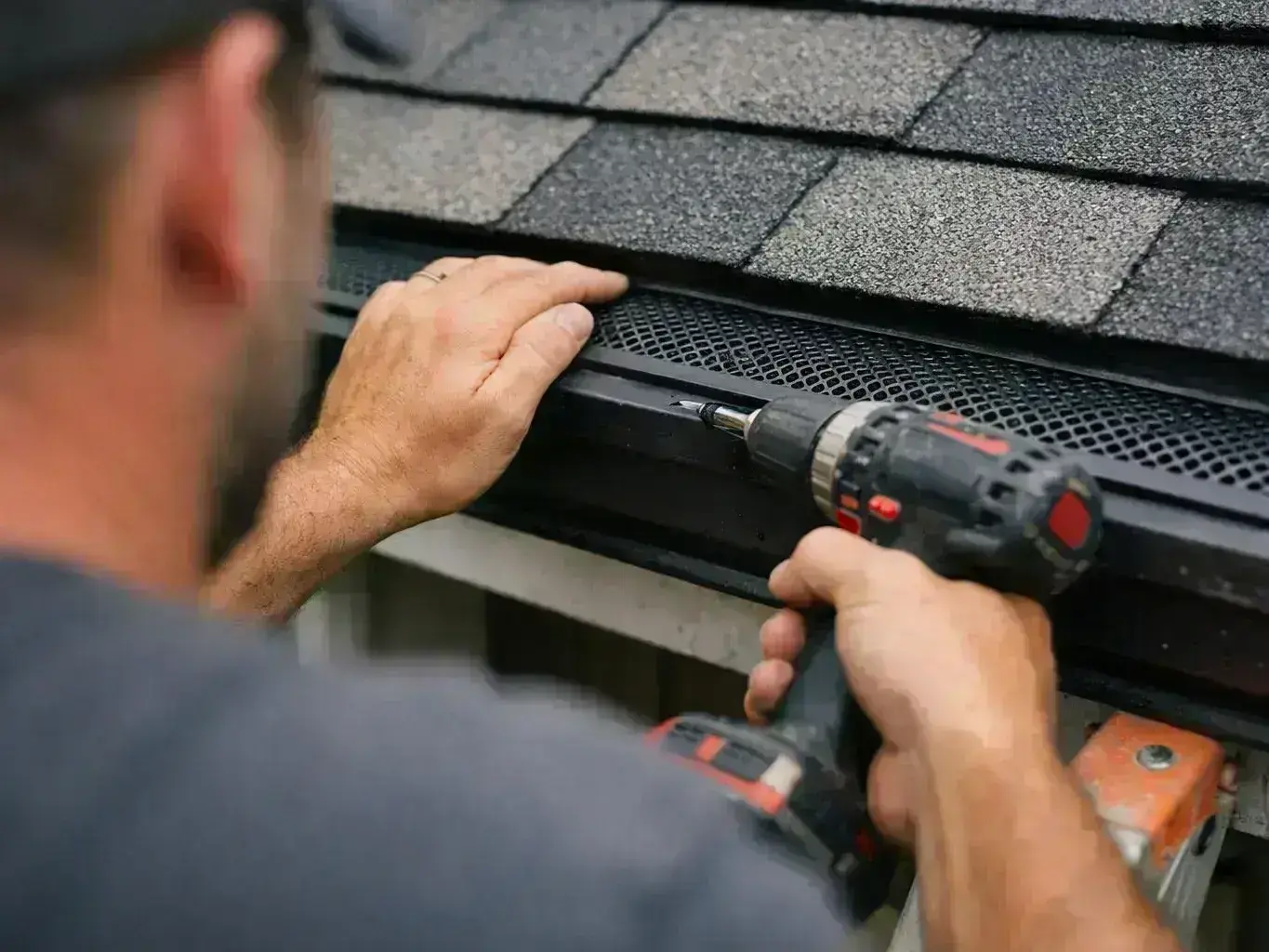
In Arkansas, the option of gutter types centers largely on the local climate and the particular requirements of each home. The most popular gutter types include aluminum, steel, vinyl, and copper. Each of these elements has its own advantages and is ideal to different circumstances. For instance, aluminum gutters are easily transportable, strong, and immune to rust, making them a well-liked selection in areas like North Little Rock and Little Rock. They are also fairly easy to install and look after, which is a major gain for homeowners.
Steel gutters, on the other hand, are famous for their power and resilience. They are often used in regions that experience intense precipitation or severe weather. However, steel can be likely to rust if not properly looked after, which is why many homeowners in Arkansas opt for galvanized steel or other defensive layers. This makes them a appropriate option for areas like Fort Smith, where periodic storms are common.
Vinyl gutters are another well-liked option, especially in areas with softer weather. They are affordable, straightforward to put in, and demand minimal attention. However, they may not be the ideal selection for regions with harsh weather, as they can turn brittle over time. In North Little Rock, where the weather can be quite unpredictable, vinyl gutters may not be the most ideal choice for all homes.
Copper gutters are a greater premium choice and are often selected for their appearance attraction. They are greatly strong and can survive for many years with adequate maintenance. However, they can be higher costly and may not be the ideal choice for all resources. In Arkansas, where the weather can be demanding, copper gutters are usually reserved for homes that can manage the more initial expense and are willing to put in in long-term attention.
The selection of gutter type also depends on the particular needs of the home. For instance, in areas like Springdale, where the environment is comparable to other parts of Arkansas, homeowners commonly pick aluminum gutters for their mix of longevity and affordability. In opposition, in regions like Fayetteville, where the conditions can be greater extreme, steel gutters may be a more suitable selection. Comprehending the regional climate and the particular demands of your home is crucial when choosing the correct gutter type.
How Arkansas Weather Impacts Gutter Installation
The weather in Arkansas plays a major role in the installation and maintenance of gutters. The state's humid subtropical climate means that property owners can expect a mix of heavy rainfall, high humidity, and occasional severe weather. These conditions can affect the operation and longevity of gutters, making it crucial to pick the right installation method and materials.
In North Little Rock, for example, springtime brings heavy rainfall that can overwhelm poorly installed gutters. This is why it's vital to confirm that gutters are properly sized and installed to tackle the volume of water that flows off the roof. The pitch of the roof, the number of downspouts, and the overall layout of the gutter installation all contribute to its effectiveness. A well-designed system can stop water from pooling around the foundation, minimizing the risk of water harm and mold growth.
The climate conditions in Arkansas also influence the selection of gutter materials. For instance, in areas like Little Rock, where the weather can be quite variable, materials that are resistant to corrosion and weathering are preferred. Aluminum gutters are a popular option in these regions because they can withstand the elements without rusting. In contrast, in areas with more extreme weather, such as Fort Smith, steel gutters may be a better option due to their strength and durability.
Another essential factor to consider is the frequency of gutter upkeep. In Arkansas, where the weather can be unpredictable, gutters may call for to be cleaned more commonly to avoid clogs and ensure correct drainage. This is particularly true in areas like Springdale, where the climate can lead to the accumulation of leaves and debris in the gutters. Routine upkeep helps extend the life of the gutters and avoids problems that can lead to costly repairs.
The impact of Arkansas weather on gutter installation also extends to the installation process itself. For example, in areas with heavy rainfall, it's important to install gutters that can handle the increased water flow. This may involve adding additional downspouts or using larger gutter sizes to ensure that water is directed away from the home efficiently. In regions like Fayetteville, where the weather can be more extreme, it's also important to use high-quality materials that can withstand the elements.
Overall, grasping how the weather in Arkansas affects gutter installation is essential for homeowners. By selecting the right materials, installation methods, and maintenance schedule, homeowners can guarantee that their gutters operate effectively and endure for many years.
Premier Materials for Gutter Installation in Arkansas
When it comes to gutter installation in Arkansas, choosing the right materials is essential for ensuring durability and performance. The state's environment, which includes strong rainfall and high moisture, means that gutters must be able to handle these conditions without decaying fast. The most suitable materials for gutter installation in Arkansas include aluminum, steel, plastic, and copper, each with its own benefits and aspects.
Aluminum gutters are a favored choice in Arkansas due to their slender trait, durability, and capacity to oxidize. They are also moderately cost-effective and straightforward to put in, making them a practical option for many homeowners. In areas like North Little Rock, where the environment can be quite changeable, aluminum gutters are often selected for their capacity to handle different weather without significant damage. Furthermore, aluminum gutters are present in a variety of tones, permitting property owners to choose a design that goes with their home's front
Steel gutters are another selection that provides robustness and durability. They are specifically ideal for areas with intense precipitation or harsh weather, such as Fort Smith. However, metal gutters can be prone to oxidize if not sufficiently cared for, which is why many property owners opt for protected steel or other protective coverings. This extra protection supports lengthen the duration of the gutters and guarantees they can deal with the difficulties presented by Arkansas' environment.
PVC gutters are a more budget-friendly choice that is simple to install and care for. They are immune to oxidation and do not demand touch-ups, making them a easy-care choice for homeowners. However, PVC gutters may not be the top selection for areas with extreme climates, as they can get weak over time. In North Little Rock, where the environment can be quite changeable, PVC gutters may not be the most suitable option for all homes. Yet, they can be a good selection for those looking for an cost-effective solution.
Copper gutters are a high-end choice that offers both durability and aesthetic appeal. They are known for their ability to withstand the elements and can remain for decades with good upkeep. However, copper gutters can be pricier and may not be the best option for all budgets. In Arkansas, where the climate can be demanding, copper gutters are typically reserved for homes that can cover the higher upfront expense and are willing to spend in long-term maintenance.
The decision of gutter material also relies on the particular needs of the residence. For example, in areas like Springdale, where the climate is comparable to other parts of Arkansas, residents often opt for aluminum gutters for their balance of sturdiness and cost-effectiveness. In opposition, in regions like Fayetteville, where the weather can be more extreme, strong gutters may be a superior option due to their stamina and durability. Understanding the regional weather and the specific needs of your residence is essential when picking the right gutter material.
Experienced Gutter installation Process in Arkansas
The experienced gutter installation process in Arkansas involves numerous key steps to make sure that the installation is installed properly and functions efficiently. Whether you're a homeowner in North Little Rock or a building manager in Fayetteville, recognizing the installation process can support you make informed decisions about your gutter setup. The procedure usually begins with an assessment of the property's roof and surrounding area to determine the best approach for installation.
The first step in the gutter installation procedure is to measure the roof and determine the size and number of gutters necessary. This involves calculating the length of the roofline and weighing the pitch of the roof. The size of the gutters must be appropriate for the volume of water that will flow off the roof, especially in areas like North Little Rock, where heavy rainfall is typical. Correct sizing ensures that the gutters can handle the water flow without overflowing or becoming clogged.
Next, the installation team will prepare the roof for the gutters. This may involve cleaning the roof surface and ensuring that there are no obstructions that could interfere with the installation. In some cases, additional support may be needed for the gutters, especially if the roof has a steep pitch or if the gutters are being installed on a larger home. This step is crucial for ensuring that the gutters are securely attached and can withstand the elements.
Once the roof is prepared, the gutters are installed along the edges of the roof. The installation team will use brackets or hangers to secure the gutters in place, ensuring that they are properly aligned and sloped to allow for proper water flow. The slope of the gutters is important because it helps direct water towards the downspouts, preventing water from pooling around the foundation of the home. In areas like Little Rock, where the climate can be quite variable, the slope of the gutters must be carefully calculated to ensure optimal performance.
After the gutters are installed, the downspouts are connected to the gutters. The downspouts are charged for channeling water away from the home, and their location is vital for avoiding water damage. In some cases, more downspouts may be needed to manage the amount of water, especially in areas with heavy rainfall. The installation team will also confirm that the downspouts are properly secured and that the water is channelled away from the foundation of the home.
Finally, the installation process is finished with a detailed inspection to ensure that everything is working accurately. The team will check for any leaks, loose connections, or other issues that could impact the performance of the gutters. This step is important for guaranteeing that the gutter system is mounted accurately and will offer sustained protection for the home. In North Little Rock, where the environment can be very demanding, a complete inspection is especially vital to guarantee that the gutters can deal with the local conditions. https://pad.stuve.de/dM-rfS1JQTa3kVavETEbxQ
Gutter care Tips for North Little Rock dwellers
Maintaining gutters is important for ensuring that they operate properly and protect your home from water damage. In North Little Rock, where the climate can be quite variable, regular maintenance is vital to prevent issues that can lead to expensive repairs. The key to efficient gutter maintenance is regularity and focus to detail, ensuring that your gutters remain in solid condition throughout the year.
One of the most important maintenance tasks is regular tidying. Gutters can become clogged with leaves, twigs, and other debris, which can prevent water from running properly. This can result to water accumulating around the base your home, boosting the possibility of water damage and mold growth. In North Little Rock, where strong rainfall is frequent, it's suggested to wash your gutters at least two a year, generally in the spring and later season. This helps remove any buildup and ensures that the gutters are operating as expected.
In addition to cleaning, it's critical to check your gutters for indications of injury or wear. Look for cracks, spills, or loose sections that could weaken the integrity of the system. In areas like Little Rock, where the climate can be quite changeable, it's also critical to check for signals of corrosion, especially if your gutters are made of metallic. Dealing with these issues soon can prevent more severe problems in the future.
Another critical aspect of gutter maintenance is inspecting the water pipes. Downspouts are responsible for directing water away from your home, and they should be inspected regularly to ensure they are not clogged or damaged. In North Little Rock, where the conditions can be unpredictable, it's also a wise choice to inspect the downspouts following strong rainfall to ensure that water is flowing away from the base. If you observe any issues, it's important to address them quickly to avoid water damage.
In addition to these tasks, it's also a good idea to take into account the kind of gutter system you have. For example, in areas like Springdale, where the weather is like to other parts of Arkansas, residents frequently choose metal gutters for their strength and simplicity of care. In contrast, in regions like Fayetteville, where the climate can be greater intense, iron gutters may be a improved selection due to their power and durability. https://squareblogs.net/atkinsonkent06263/smart-preparing-for-5-signs-your-gutters-need-immediate-attention-what-makes Grasping the specific needs of your home and the local climate can help you create well-informed decisions about your gutter maintenance.
Regular care not only supports prolong the longevity of your gutters but also guarantees that they remain to work effectively. In North Little Rock, where the environment can be quite difficult, staying on top of gutter upkeep is essential for safeguarding your property from moisture issues. By adhering to these tips and taking initiative, you can guarantee that your gutters stay in optimal condition and keep offering the protection your home requires.
Local Building Codes for Gutters in Arkansas
Building codes for gutters in Arkansas are designed to ensure that all installations meet specific safety and performance standards. These codes vary slightly depending on the city and region, but they generally cover aspects such as material requirements, installation methods, and upkeep guidelines. In North Little Rock, for example, local building codes may require gutters to be installed with a certain slope to ensure proper water flow and prevent clogging. Understanding these codes is crucial for homeowners and contractors to ensure that their gutter systems are compliant and effective.
In Little Rock, the building codes for gutters often highlight the importance of proper installation to prevent water damage. This includes rules on the size and type of gutters that can be used, as well as the location of downspouts. For instance, in areas like Jonesboro, where the climate can be quite variable, the codes may require gutters to be installed with more support to handle the weight of water during heavy rainfall. This helps prevent drooping or detachment, which can lead to water damage and high repairs.
In Fort Smith, local building codes may also include specific requirements for gutter materials. For example, the codes may mandate the use of corrosion-resistant materials, such as galvanized steel or aluminum, to ensure that gutters can withstand the elements. This is particularly important in areas where the weather can be unpredictable, as it helps extend the lifespan of the gutter system and reduce the need for frequent repairs. In North Little Rock, where the climate can be quite challenging, these requirements are particularly important to ensure that gutters perform effectively.
Another key aspect of local building codes in Arkansas is the need for regular maintenance and inspections. In cities like Conway, the codes may include instructions on how often gutters should be cleaned and examined to prevent clogs and ensure proper drainage. This helps homeowners stay proactive in maintaining their gutter systems and stops issues that can lead to water damage. In Springdale, for example, the codes may stress the importance of regular inspections to ensure that gutters are functioning as intended, especially during periods of heavy rainfall.
In addition to these requirements, local building codes in Arkansas may also include distinct guidelines for the installation of downspouts. In areas like Rogers, the codes may demand downspouts to be placed at a specific distance from the foundation to prevent water from pooling around the base of the home. This helps protect the foundation from moisture damage and lowers the risk of mildew and mold development. In North Little Rock, where the climate can be quite variable, following these guidelines is important for making sure that gutters are placed properly and function successfully.
Overall, knowing the local building codes for gutters in Arkansas is essential for homeowners and contractors. These codes aid ensure that gutter systems are installed properly and meet the particular needs of the local environment and surroundings. By adhering these guidelines, homeowners can safeguard their homes from damp harm and make sure that their gutters perform effectively for decades to come.
Signals Your Gutters Call for Repair in Arkansas
In Arkansas, where the weather can be quite unpredictable, it's essential to be aware of the signals that indicate your gutters may call for repair. Early detection of these concerns can avoid more serious problems and save you money on expensive repairs. One of the most frequent indicators that your gutters require attention is water pooling around the foundation of your home. This can lead to basement flooding, soil erosion, and damage to the exterior walls. In North Little Rock, where heavy rainfall is common, it's vital to address this problem quickly to avoid long-term harm.
Another sign that your gutters may need repair is water harm to the exterior of your property. This can include stains on the siding, peeling paint, or sagging gutters. In areas like Little Rock, where the climate can be quite variable, these issues can be more frequent, particularly after periods of heavy rainfall. If you notice any of these signals, it's important to have your gutters inspected and repaired as soon as possible.
Cracks or leaks in the gutters are also a clear indication that repairs are needed. These issues can allow water to seep into the structure of your home, leading to mold growth and structural damage. In Fort Smith, where the weather can be quite extreme, it's important to check your gutters regularly for any signs of damage. If you notice any cracks or leaks, it's best to contact a professional for repairs to ensure that the issue is addressed correctly.
In addition to these signs, you may also notice that your gutters are not draining properly. This can be caused by clogs, which are common in areas with heavy rainfall. In Springdale, where the climate is similar to other parts of Arkansas, it's important to clean your gutters regularly to prevent clogs and ensure proper drainage. If you notice that water is not flowing through your gutters as it should, it's a good idea to have them inspected and cleaned to prevent further issues.
Another sign that your gutters may need repair is the appearance of water leaking from the gutters or pooling in the downspouts. This can suggest that the gutters are not correctly installed or that there are issues with the downspouts themselves. In Fayetteville, where the weather can be quite variable, it's crucial to fix these issues promptly to avoid water damage to your home. If you observe any of these indicators, it's best to contact a technician for repairs to guarantee that your gutters are functioning correctly.
Overall, understanding of the signs that your gutters need repair is important for ensuring the structure of your home. In Arkansas, where the weather can be quite demanding, regular reviews and quick repairs can assist prevent costly damage and ensure that your gutters continue to function effectively.
FAQ
Which are the common kinds of gutters used in Arkansas?
In Arkansas, the most common varieties of gutters consist of aluminum, steel, vinyl, and copper. Metal gutters are favored due to their durability and resistance to corrode, making them a ideal option for locations like North Little Rock and Little Rock. Heavy gutters are often employed in regions with heavy precipitation, such as Fort Smith, as they supply sturdiness and toughness. Plastic gutters are a much budget-friendly selection, while metal gutters are a high-end choice that offers both durability and aesthetic appeal. For trustworthy Gutter Installation in Arkansas in Arkansas, AGM Gutters offers skilled guidance and practical answers.
How do atmospheric conditions in Arkansas impact gutter setup?
The climate in Arkansas, which includes intense rain and extreme humidity, acts a significant role in gutter installation. In North Little Rock, for instance, the need for correct gutter setup is crucial to avoid liquid injury. The installation method must take into account for the quantity of liquid that moves off the roof, which can alter depending the period. In regions like Little Rock, where the weather can be quite changing, the choice of gutter materials and setup methods must be meticulously evaluated to guarantee long-term performance and durability.
What materials are best suited for Arkansas weather?
In Arkansas, the best components for gutters are those that can withstand the state's weather conditions. Aluminum gutters are a popular choice due to their resistance to rust and lightweight nature, making them suitable for areas like North Little Rock. Steel gutters are often used in regions with heavy rainfall, such as Fort Smith, as they offer strength and durability. PVC gutters are a more affordable option, while metallic gutters are a premium choice that can last for decades with proper care. The choice of material depends on the specific needs of the home and the local climate.
What is the typical cost of gutter installation in Arkansas?
The cost of gutter installation in Arkansas can vary depending on several factors, including the type of substances used, the size of the home, and the complexity of the setup. In North Little Rock, for example, the cost of aluminum gutters may be more affordable compared to metallic gutters, which are a premium option. Additionally, the cost can be influenced by the need for additional water channels or reinforcements, especially in areas with heavy rainfall. It's important to get multiple quotes from local professionals to ensure that you receive a fair and accurate estimate for your gutter installation project.
How often should gutters be cleaned in Arkansas?
In Arkansas, it's recommended to clean gutters at least twice a year, typically in the spring and fall. This helps prevent obstructions and ensures that the gutters operate properly, especially in areas like North Little Rock, where intense rain is common. Regular cleaning also helps extend the longevity of the gutters and prevents issues that can lead to moisture damage. In areas with more regular rainfall, such as Springdale, it may be necessary to clean gutters more often to maintain optimal performance and prevent clogging.